 how-to
Can You Use Smart Locks With Existing Keys?
Last Updated: October 26, 2026
Quick Summary
Yes, you can use smart locks with existing keys if you choose the right hardware and confirm a few measurements. Most retrofit smart locks attach to your current deadbolt, so your original key still works; full replacements ship with new keys. A lock that keeps your old key must match your keyway, borehole, and backset.
- Retrofit locks keep your existing key and deadbolt, while full replacements come with a new key cylinder.
- Your door needs a 2-1/8 inch borehole, a 1 inch edge bore, and a backset of 2-3/8 or 2-3/4 inches.
- Most smart locks fit doors 1-3/8 to 1-3/4 inches thick.
- Rekeying a smart lock usually means a cylinder swap rather than repinning in place.
- Renters need landlord permission first, since most leases treat a lock swap as a modification.
Table of Contents
- The Short Answer: Smart Locks and Existing Keys
- Is a Smart Lock Compatible With Your Existing Key?
- Smart Lock Deadbolt Compatibility: What Your Door Needs
- Retrofit Lock vs. Full Replacement: Which Fits Your Door
- How to Rekey a Smart Lock to an Existing Key
- Keyed vs. Keyless Entry: Security and Failure Scenarios
- Smart Lock for Renters: What to Check Before Installing
- Book a Smart Lock Compatibility Check
- Frequently Asked Questions
The Short Answer: Smart Locks and Existing Keys
Yes, you can use smart locks with existing keys, if you choose the right hardware and confirm a few measurements. Most retrofit smart locks attach to your current deadbolt, so your original key still works; full replacements ship with new keys.
The catch: a lock that keeps your old key must match your keyway, borehole, and backset. Miss one, and you're buying a lock you can't install or a key that won't turn.
Here's what homeowners should consider before they buy.
The short version:
- Retrofit locks keep your existing key and deadbolt.
- Full replacements come with a new key cylinder.
- Compatibility depends on keyway, deadbolt type, and door measurements.
Is a Smart Lock Compatible With Your Existing Key?
A smart lock is compatible with your existing key only when its key cylinder accepts your keyway, the lock's key slot matches the shape and groove pattern of your current key. If the keyway differs, your key will not turn, no matter how well the lock fits.
Two keyway families dominate residential doors: Kwikset-compatible and Schlage-compatible. Many retrofit locks accept one or both; a few use proprietary keyways no standard key will operate.
Here's what to check before buying:
- Key brand: Look at the key head or the lock face for a brand name.
- Keyway shape: Compare your key's groove to the lock's spec sheet.
- Cylinder type: Confirm the lock uses a standard key cylinder, not a proprietary one.
Keyway and Cylinder Checks
Start with your current key. Hold it next to the product spec sheet and compare the groove pattern. Manufacturers list "Kwikset-compatible keyway" or "Schlage-compatible keyway" for a reason.
Next, check the cylinder, the rotating plug that accepts your key. A smart lock's key cylinder may be removable, letting a locksmith swap it to match your key.
Consumer Reports notes that many smart and nonconnected locks can be rekeyed to work with new physical keys or to make one key operate multiple entry doors (Consumer Reports door lock buying guide).
The Decision Tree: Will Your Key Survive the Upgrade?
Use this sequence to determine whether your existing key can stay in service:
- Identify the lock type on your door. A single-cylinder deadbolt with a standard 2-1/8 inch borehole is the most likely retrofit candidate. Mortise locks, rim locks, and integrated handle sets usually require full replacement.
- Identify your keyway. Compare the key head stamp and groove pattern against the lock's published keyway. If the product lists a compatible keyway and your key matches, you're in the retrofit lane.
- Confirm the cylinder is removable. Retrofit devices that attach to the interior of an existing deadbolt keep the original exterior cylinder and key by design. Full replacements ship with a new cylinder and new keys, so your old key will not operate them unless a locksmith rekeys the new cylinder to your keyway.
- Check for master-key systems. If your home or building uses a master-key system, the cylinder may be pinned to a keyed hierarchy a standard smart lock cannot replicate. In that case, a locksmith evaluation comes before any purchase.
When a Locksmith Swap Is Required
Some smart locks ship with a cylinder that can be swapped to match your keyway, but it's not always DIY. With a nonstandard cylinder, security-restricted keyway, or master-keyed pinning, a locksmith must source a matching cylinder or repin the existing one.
If your keyway matches no off-the-shelf smart lock, your options are: a retrofit device that preserves your existing exterior cylinder, a locksmith rekeying a replacement lock to your key, or accepting a new key set.
Smart Lock Deadbolt Compatibility: What Your Door Needs
Your door needs a standard deadbolt prep for most smart locks: a 2-1/8 inch borehole, a 1 inch edge bore, and a backset of 2-3/8 or 2-3/4 inches. If your door has those, most retrofit smart locks will fit.
Grab a tape measure and check three things before you order:
- Door thickness: Most smart locks fit doors 1-3/8 to 1-3/4 inches thick.
- Backset: Measure from the door edge to the center of the borehole.
- Deadbolt type: Confirm you have a single-cylinder deadbolt, not a mortise or rim lock.
August Home states that its smart locks attach to the inside of an existing deadbolt, which lets the homeowner keep using their keys (August Wi-Fi Smart Lock product page). That's the retrofit model in plain terms.
Measurements to Take Before You Buy
Write these down and keep them with the product page:
| Measurement | Where to Measure | Typical Range |
|---|---|---|
| Door thickness | Edge of door | 1-3/8 to 1-3/4 in |
| Backset | Door edge to borehole center | 2-3/8 or 2-3/4 in |
| Borehole diameter | Face of door | 2-1/8 in |
| Edge bore | Side of door edge | 1 in |
| Deadbolt throw | Bolt extension | 1 in |
Watch out: a door with a nonstandard backset or a wrapped metal edge often needs a replacement lock, not a retrofit. Measuring first saves a return.
Retrofit Lock vs. Full Replacement: Which Fits Your Door
A retrofit lock keeps your existing deadbolt and key. A full replacement swaps the whole lock and comes with a new key cylinder. Choose retrofit if your hardware is standard and in good shape.
Here's how the two compare:
| Factor | Retrofit Lock | Full Replacement |
|---|---|---|
| Existing key | Usually kept | New key |
| Installation | Attaches to current deadbolt | Removes old lock |
| Drilling | Rarely needed | Sometimes needed |
| Best for | Standard doors, renters | Worn or odd hardware |
One insider note: retrofit locks are only as good as the deadbolt underneath. A loose or gritty bolt will make any smart lock feel broken. Test the bolt by hand first.
How to Rekey a Smart Lock to an Existing Key
You can rekey a smart lock to an existing key when the lock accepts a matching keyway and has a removable cylinder, a few minutes with the right tools, or one service call.
Rekeying changes a lock's internal pins so a different key operates it. On a traditional deadbolt, a locksmith repins the cylinder in place.
Here's the general sequence for a cylinder swap:
- Remove the interior assembly to reach the cylinder.
- Take out the existing key cylinder.
- Match the new cylinder to your keyway.
- Reinstall the cylinder and test the key.
- Reattach the interior assembly and test the smart functions.
A common mistake is forcing a mismatched key. If the key sticks, stop. You'll bend the key or damage the pins.
When Rekeying Works, and When It Doesn't
Rekeying a smart lock to your existing key is realistic when all of the following are true:
- The lock uses a standard, removable cylinder.
- Your keyway is a common residential family (Kwikset-compatible or Schlage-compatible).
- The lock is not part of a master-key system that requires a specific pinning hierarchy.
It is usually not realistic when the lock uses a proprietary or security-restricted keyway, when the cylinder is sealed into the assembly, or when the door is part of a master-keyed building system. In those cases, the honest answer is that your existing key will not operate the new lock without a full cylinder replacement, and sometimes not even then.
Master-Key Systems and Shared Buildings
Master-key systems add a layer most buying guides skip. In a master-keyed building, each unit key operates its own lock and a master key operates every lock.
If you live in a master-keyed building, check with management before swapping hardware. For renters, the safer path is often a retrofit device that leaves the original cylinder and keyway untouched, so the master key keeps working.
Cost and Trade-Offs
For a deeper look at when rekeying works and when replacement is the better call, read our article on whether you can rekey a smart lock or replace it.
Keyed vs. Keyless Entry: Security and Failure Scenarios
Keyed entry gives you a physical fallback. Keyless entry removes the key entirely and relies on codes, apps, or Bluetooth. The security trade-off is real in both directions.
A smart lock without a physical-key option may leave someone with no way in if the lock fails. That's the core argument from a Reddit discussion on keyless smart lock safety, and it's a fair one.
Think through these failure scenarios:
- Dead battery: Keypad locks usually offer a battery backup or jump terminals.
- App outage: Bluetooth and Wi-Fi locks may still open with a code.
- Lost phone: A physical key or backup code saves the day.
The National Apartment Association reports that a large share of residents use smart locks in some capacity, either alone or alongside traditional keys (National Apartment Association on smart locks).
If a battery dies while you're away, our guide on what to do when a smart lock battery dies while you're away covers the recovery steps.
Smart Lock for Renters: What to Check Before Installing
Renters can install a smart lock, but need landlord permission first. Most leases treat a lock swap as a modification, and unauthorized changes can cost you the deposit.
Check these before you buy:
- Lease language: Look for rules on locks, keys, and alterations.
- Reversibility: Choose a retrofit lock you can remove without damage.
- Key return: Confirm whether your landlord needs a copy of the new key.
For a smart lock for renters, the safest pick is a retrofit model that attaches to the existing deadbolt and comes off cleanly at move-out.
Our guide on rekeying rental locks and landlord permission explains what to ask before you touch the hardware.
Book a Smart Lock Compatibility Check
The fastest way to know if your door will take a smart lock is a pro check.
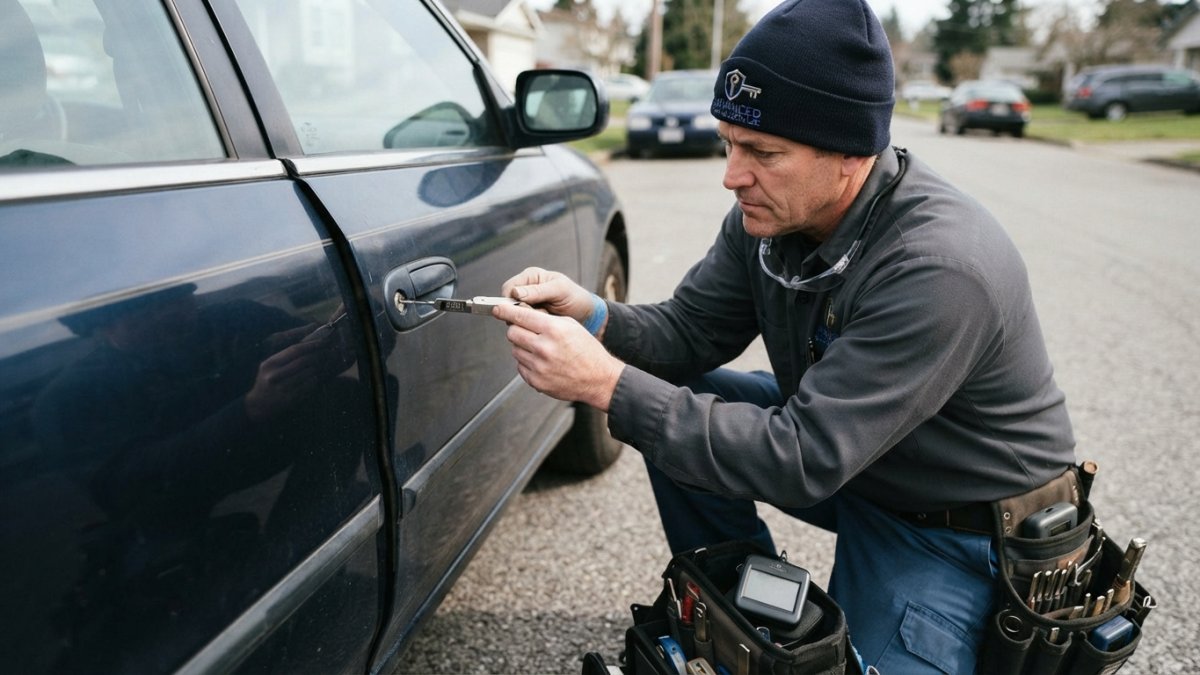
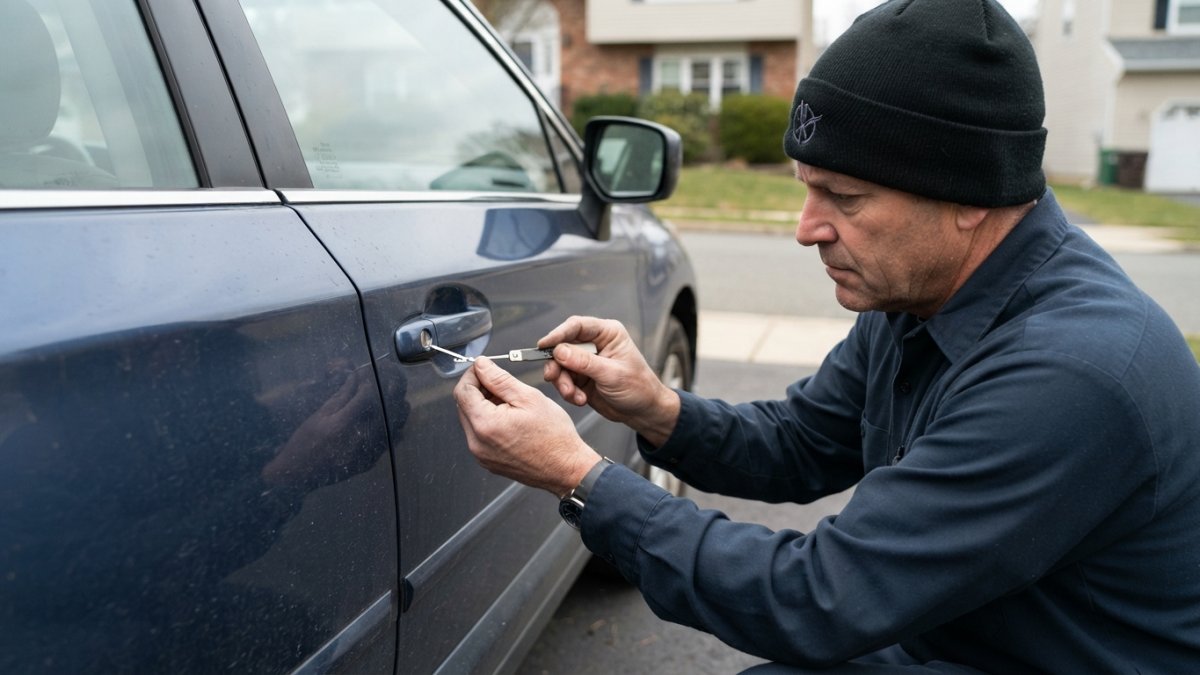
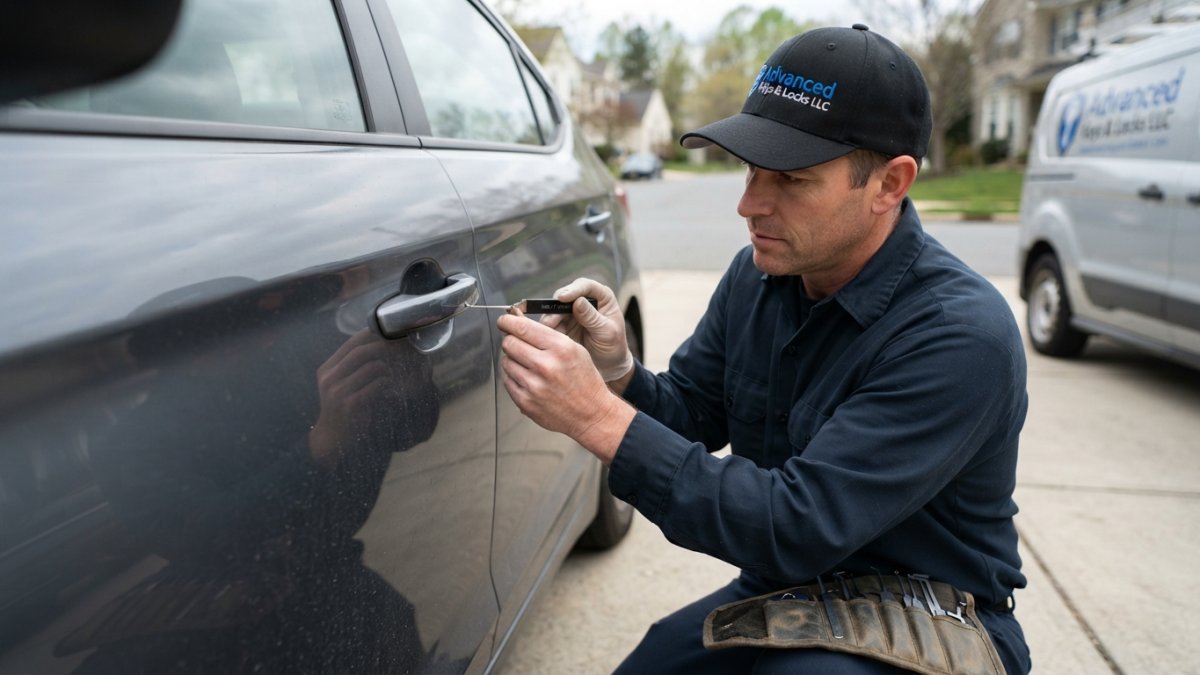
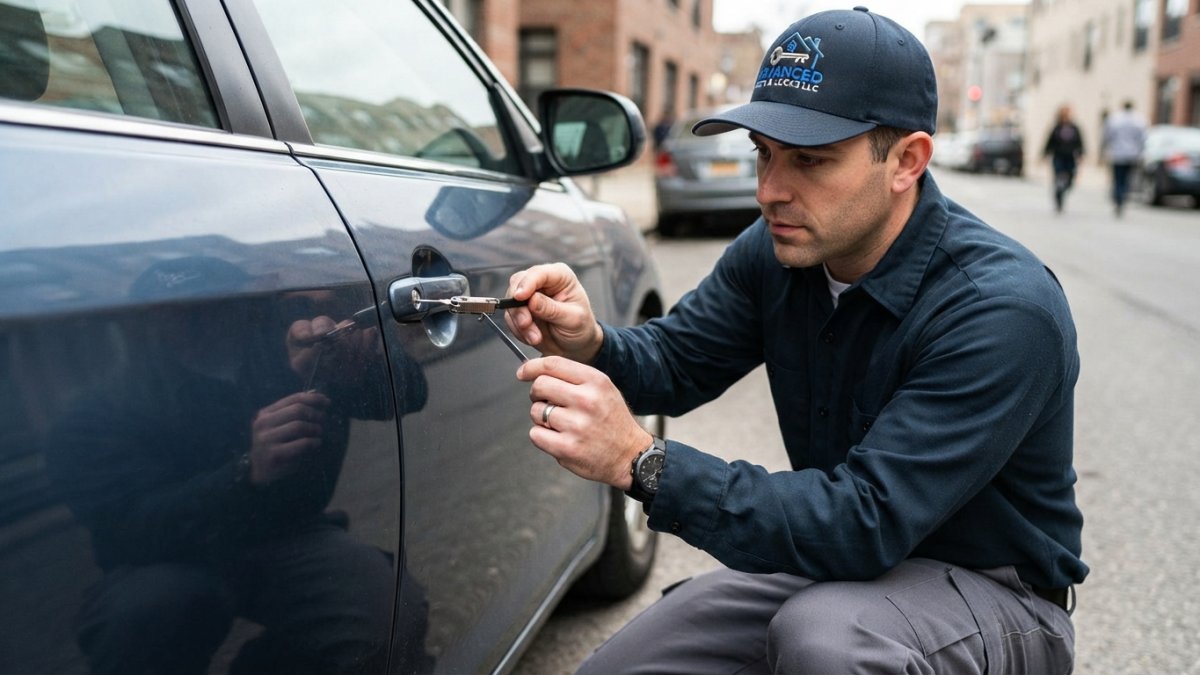
At Advanced Keys & Locks LLC, our certified and insured locksmiths provide smart lock installations across the DMV area, with upfront pricing, no hidden fees, and 24/7 emergency availability.
Get a quote from Advanced Keys & Locks LLC and lock in the right hardware the first time.
Frequently Asked Questions
Can you use a smart lock with your existing key?
In many cases, yes. Some smart locks are built to attach to the inside of your current deadbolt, so the outside cylinder and your original key stay in place. August Home states its locks install on the interior of an existing deadbolt and let you keep using your keys. Other models replace the whole deadbolt and ship with new keys, which means your old key will no longer work unless a locksmith rekeys the new cylinder to match.
Can a smart lock be rekeyed to match an existing key?
Often it can, depending on the lock's cylinder. Consumer Reports notes that many smart and nonconnected locks can be rekeyed to work with new physical keys or to let one key open multiple entry doors. The catch is keyway matching: the new cylinder has to accept the same keyway family as your current key. Check the lock's specifications to see whether your key and the lock's cylinder are compatible before you buy.
Do you need to replace your deadbolt to install a smart lock?
Not always. Retrofit smart locks reuse your existing deadbolt and door hardware, so installation is usually a matter of removing the interior thumb turn and mounting the smart assembly in its place. Full replacement locks swap out the entire deadbolt, which is the better route if your current hardware is older, loose, or not rated for the door. Check your door thickness, backset, and borehole size first, since those measurements decide which option actually fits.
What should renters check before installing a smart lock?
Renters should get written permission from the landlord before changing any lock, and should confirm who keeps the physical key. A retrofit smart lock that leaves the existing keyed cylinder untouched is usually the least disruptive option because the unit can be removed at move-out. Keep the original interior assembly and hardware in a labeled bag so the door can be restored. If the building uses a master-key system, ask the property manager before installing anything, since a new cylinder can break the key match across the property.