 how-to
How to Rekey Locks After Moving In
Table of Contents
- Why You Should Rekey Locks After Moving Into a New Home
- Rekey vs. Replace Locks: Which Option Makes Sense for Your Move
- DIY Lock Rekeying: Tools, Steps, and Safety Considerations
- How Long Does It Take to Rekey a Lock
- Cost to Rekey House Locks: Budget Expectations and Service Options
- Hiring a Locksmith: What to Expect and How to Verify Credentials
- Special Considerations for Renters, Condos, and HOA Properties
- Your Move-In Security Plan: Door-by-Door Priorities
- Frequently Asked Questions
Last Updated: October 21, 2026
Why You Should Rekey Locks After Moving Into a New Home
When you move into a new home, you don't know who has copies of your keys. The previous owner may have given keys to family, friends, contractors, a locksmith, or even the real estate agent.
Rekeying locks after moving solves this problem. It changes which key operates your locks without replacing the hardware itself. Only your new key will work. Everyone else's old keys become useless.
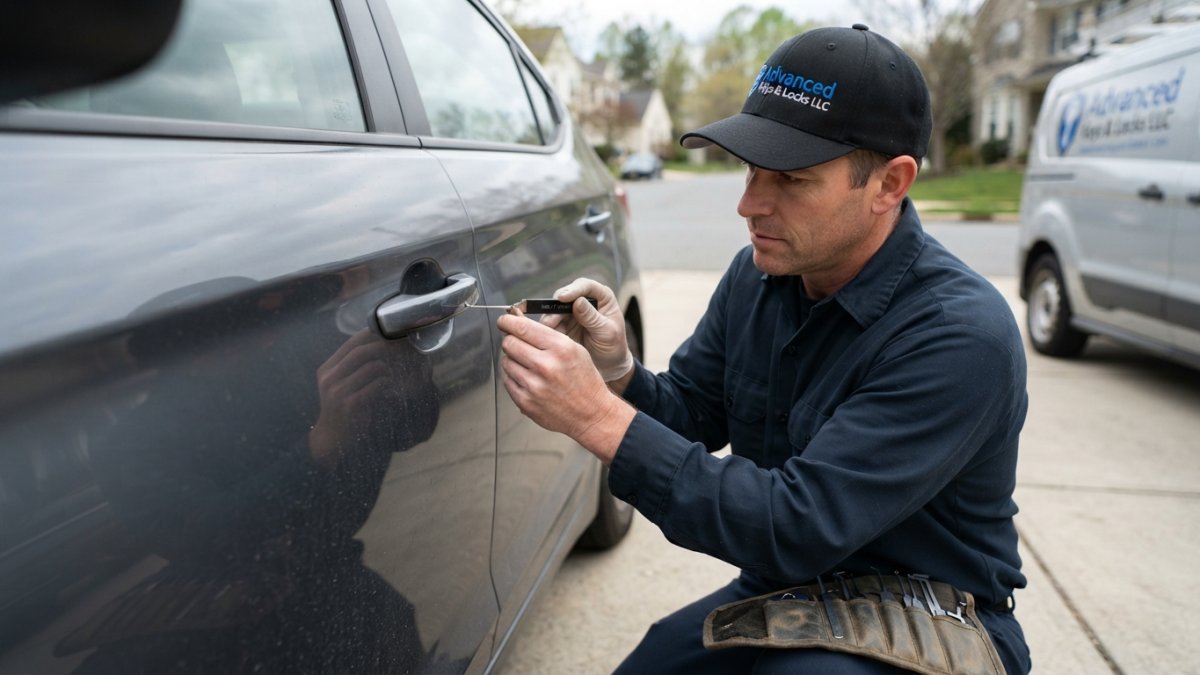
Many people skip this step because they assume the locks are "new" or "secure," leaving the home vulnerable. At Advanced Keys & Locks LLC, we recommend rekeying as a first priority when you take possession.
Rekeying is faster and cheaper than replacing locks: you keep the existing hardware and just change the internal pins so a different key operates it. A professional can rekey your main entry doors in under an hour.
Rekey vs. Replace Locks: Which Option Makes Sense for Your Move
Rekeying changes the key that opens an existing lock; replacing installs a brand-new one. Both solve the problem of unknown key copies but differ in cost, time, and when each makes sense.
Rekey your locks if:
- The existing locks are in good working condition
- You want to keep your current lock style and hardware
- You need a fast, affordable solution
- The locks are relatively new (less than 10-15 years old)
Replace your locks if:
- The locks are damaged, broken, or difficult to operate
- You want to upgrade to a higher-security lock or smart lock
- The locks are very old and may not function reliably
- You prefer new hardware for peace of mind
- You want to change the look or style of your entry doors
Most homeowners rekey on move-in day, then replace locks later if they want to upgrade, securing the home immediately and improving it over time.
Advanced Keys & Locks LLC handles both services. We can assess your locks and recommend the right choice based on their condition and your goals.
DIY Lock Rekeying: Tools, Steps, and Safety Considerations
What You'll Need Before Starting
Rekeying requires specific tools and replacement key pins, standard household tools won't work.
You will need:
- A rekeying kit (includes new key pins, a plug follower, and a springs kit for your lock brand)
- A small screwdriver or hex key
- A working key from the previous owner
- A new key blank (you'll cut a key to match your new pin configuration)
- A flat surface to work on
- A small container to hold tiny springs and pins (they're easy to lose)
Rekeying kits cost less than hiring a locksmith, but only if you have the right kit for your lock brand and type. A kit for a Kwikset deadbolt won't work on a Schlage.
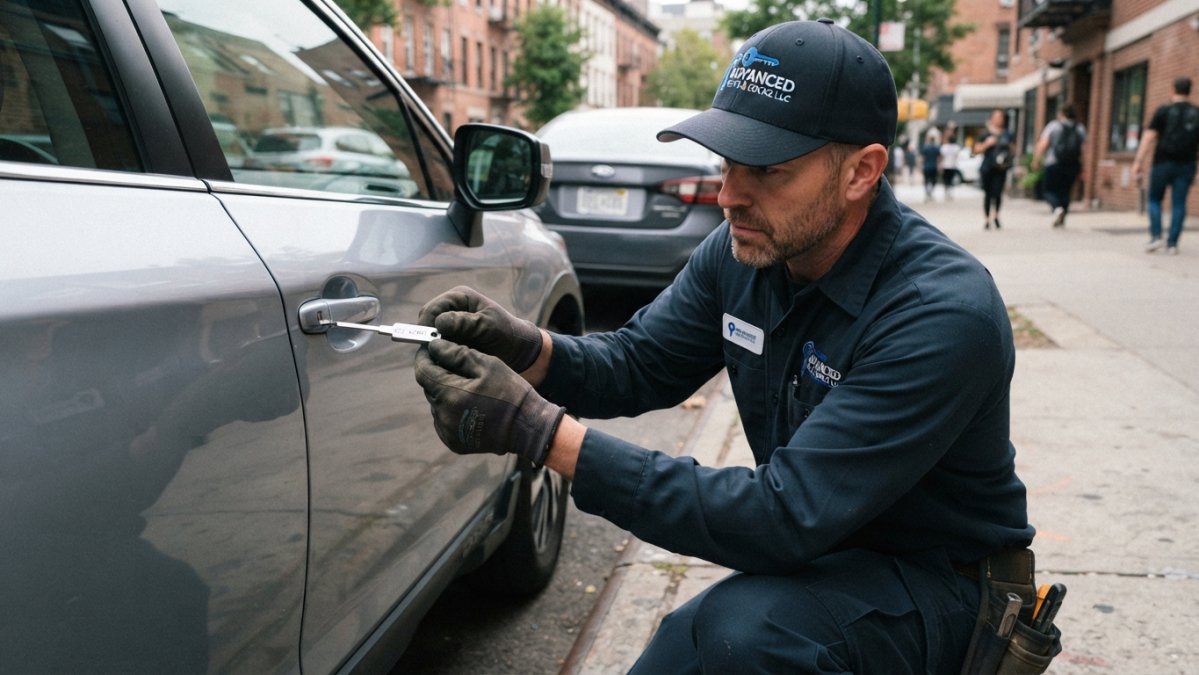
Step-by-Step Rekeying Process
Step 1: Remove the lock cylinder from the door (5 minutes)
Insert the old working key and turn it to the "open" position.
Step 2: Remove the plug from the cylinder (3 minutes)
The plug is the part that turns when you insert your key.
Step 3: Empty the old pins and springs (2 minutes)
Step 4: Insert new key pins in the correct order (10 minutes)
This is the critical step.
Step 5: Reassemble the cylinder (3 minutes)
Slide the plug back into the cylinder with the new pins inside. Make sure the retaining clip or pin clicks into place.
Step 6: Reinstall the cylinder in the lock housing (2 minutes)
Slide the cylinder back into the lock with the key slot facing out, and push until the retaining clip snaps into place.
Step 7: Test with your new key (1 minute)
Turn your new key in the lock. It should bolt and unbolt smoothly.
Testing Your Work and Common Mistakes to Avoid
After rekeying, insert and turn your new key at least 10 times. The operation should be smooth and consistent.
Common mistakes that cause problems:
Pins installed in wrong order. The most frequent error. If your new key doesn't turn, review the decoder chart and reinstall the pins correctly.
Springs left out or broken. Springs push pins back into place when you remove your key; if one is missing or broken, the lock won't function. Count your springs before and after assembly.
Cylinder not fully seated. If the cylinder isn't pushed all the way in, the retaining clip won't hold it securely. Push firmly until you hear or feel a click.
Old pins mixed with new pins. Keep old and new pins in separate containers. Mixing them ruins the entire job.
Not testing the old key. After rekeying, insert the old key and confirm it no longer works. If it still opens the lock, your rekeying failed.
How Long Does It Take to Rekey a Lock
A professional locksmith can rekey a single deadbolt in 15 to 30 minutes, including removing the lock, changing the pins, and testing the new key.
For multiple locks (front door, back door, garage entry), add 15 to 20 minutes per additional lock. Most homes have 2 to 4 exterior doors, so a complete rekey takes 45 minutes to 2 hours.
DIY rekeying takes longer. First-time attempts usually take 60 to 90 minutes per lock, and if something goes wrong you may need to disassemble and try again. Budget 2 to 3 hours for a single lock if you've never done this before.
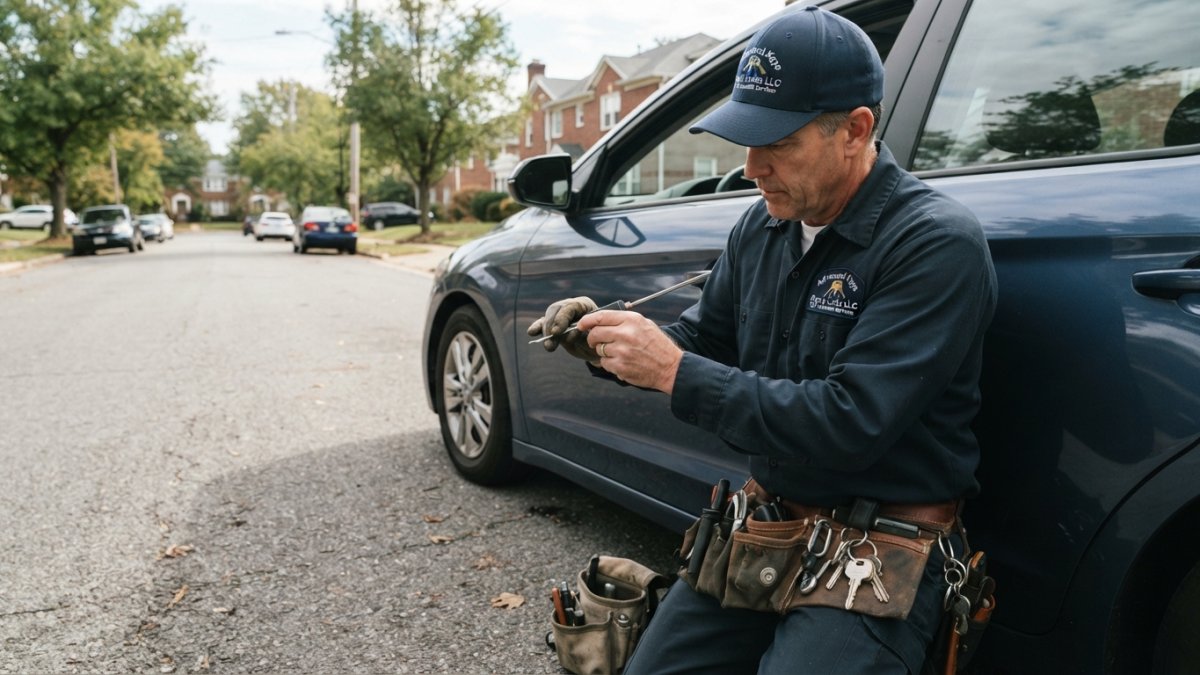
The time difference is why many homeowners hire a professional. You pay more upfront but save hours of frustration. Advanced Keys & Locks LLC can rekey your main entry doors while you unpack boxes.
Cost to Rekey House Locks: Budget Expectations and Service Options
The cost to rekey locks depends on whether you hire a professional or do it yourself.
DIY rekeying cost:
A rekeying kit costs $10 to $30 per lock, depending on brand and type. If you rekey three locks, you'll spend $30 to $90 in materials, assuming you already have basic tools.
Professional rekeying cost:
Pricing depends on your location, the number of locks, and the lock type. For current pricing and a quote tailored to your home, contact Advanced Keys & Locks LLC or visit their website. Professional service includes labor, new key pins, and a guarantee that the locks work correctly.
Most homeowners find professional rekeying worth the cost: you avoid mistakes, save time, and get a warranty. If a professional-rekeyed lock fails within a set period, they'll fix it at no charge.
Hiring a Locksmith: What to Expect and How to Verify Credentials
When you hire a locksmith to rekey your locks, you're inviting someone into your home with access to your security. Verify their credentials before you book.
Check for licensing and insurance:
Ask the locksmith for proof of a current business license and liability insurance. A legitimate locksmith carries both. They can provide copies before the appointment.
Confirm they're certified:
Many states require locksmiths to pass a background check and training program. Ask if the locksmith is certified by their state.
Get an upfront quote:
A reputable locksmith will quote a price before starting work and explain what's included: labor, new keys, testing.
Verify they use quality parts:
Ask what brand of key pins and springs they use. Reputable locksmiths use name-brand pins that fit your lock type.
Check online reviews:
Read reviews on Google, Yelp, and the Better Business Bureau.
Avoid locksmiths who advertise suspiciously low prices:
If a locksmith's price is far below others in your area, be cautious: they may use low-quality parts, charge hidden fees later, or lack proper insurance.
Advanced Keys & Locks LLC is fully certified and insured. Our team provides upfront pricing with no hidden fees.
Special Considerations for Renters, Condos, and HOA Properties
If you're renting, you likely cannot rekey the lock without your landlord's permission. Most lease agreements state that you cannot alter the locks.
If you're a renter:
Contact your landlord before rekeying.
If your landlord refuses to rekey, you have limited options. You can change the lock temporarily and reinstall the original lock before you move out.
If you own a condo:
Condo buildings often have rules about lock changes. Check your condo association's bylaws or contact the property manager. Some associations require approval before you modify locks.
If your condo association has rules, follow them, violating them can result in fines or legal disputes.
If you're in an HOA community:
HOA rules vary widely: some have strict policies about exterior locks, others don't regulate locks at all. Review your HOA documents or contact the board before rekeying.
If your HOA requires approval, submit a request. Most associations will approve rekeying because it doesn't change the appearance of your home or the lock hardware.
Your Move-In Security Plan: Door-by-Door Priorities
Rekeying is just one part of securing a new home. Create a door-by-door security plan to address all entry points.
Front door (highest priority):
Rekey or replace the front door lock first, it's the main entry point and the most visible to potential intruders.
Back door (high priority):
Rekey or replace the back door lock next. Back doors are often overlooked but are common entry points for burglaries.
Garage entry (medium priority):
If you have a garage, rekey the lock on the door between the garage and your home.
Side doors and patio doors (medium priority):
If you have side doors or sliding patio doors, rekey or replace those locks too. Sliding patio doors often have weak locks.
Windows (low priority for rekeying, but check them):
Windows don't have rekeyed locks, but check that they lock and close securely.
Once you've rekeyed your main locks, consider a few additional measures: install deadbolts on all exterior doors that lack them, add a peephole or video doorbell so you can see who's outside before opening, and consider motion-activated outdoor lighting. Together with rekeying, these create a comprehensive security plan.
Advanced Keys & Locks LLC can help with every step.
Moving into a new home brings excitement and stress, and you want to feel safe from day one.
Frequently Asked Questions
Can I rekey my locks myself, or do I need a professional locksmith?
You can rekey locks yourself if you have a rekeying kit and basic mechanical skills, but it requires precision and patience. Many homeowners find the process time-consuming and risk damaging the lock mechanism or installing pins incorrectly. A certified locksmith can rekey your locks quickly and guarantee they work properly. For deadbolts and entry doors, professional service is often worth the investment for peace of mind.
Is it cheaper to rekey or replace locks after moving?
Rekeying is almost always cheaper than replacing locks because you keep the existing lock hardware and only change the internal pin configuration. However, replacement makes sense if your locks are damaged, outdated, or incompatible with a single key system. For a new home move, rekeying your existing deadbolts and entry-door locks is the most cost-effective security upgrade. Visit Advanced Keys & Locks LLC's pricing page for current quotes on both options.
How soon after moving in should I rekey my locks?
Rekey your locks before you fully move in or within the first few days of occupancy. You don't know how many copies of the previous owner's key exist or who might have access to your home. Securing your entry doors immediately protects your belongings and gives you peace of mind. If you're renting, contact your landlord first to confirm they allow rekeying or will handle it themselves.
Can all the locks in my house be rekeyed to use one key?
Yes, most residential locks can be rekeyed to use a single key, a process called keying alike. This works as long as all your locks use the same keyway and pin tumbler system. Your deadbolt, entry-door locks, and garage entry can typically be keyed alike. However, older locks or specialty hardware may have compatibility limits. A certified locksmith can assess your locks and advise on which ones can be unified under one key.